Choosing fresh, high-quality ingredients is one of the most important skills any home cook can develop. Whether you’re preparing a simple weekday meal or an elaborate dinner, the quality of your ingredients directly impacts the flavor, texture, and nutritional value of your food. Yet, grocery shopping can be overwhelming—rows of produce, packaged meats, and seafood displays all competing for your attention.
Learning how to identify freshness isn’t complicated, but it does require awareness and a bit of practice. By understanding what to look for—visually, through touch, and even smell—you can confidently select the best items and avoid wasting money on spoiled or low-grade products.
This guide will walk you through everything you need to know to spot fresh ingredients when grocery shopping, from fruits and vegetables to meat and seafood.
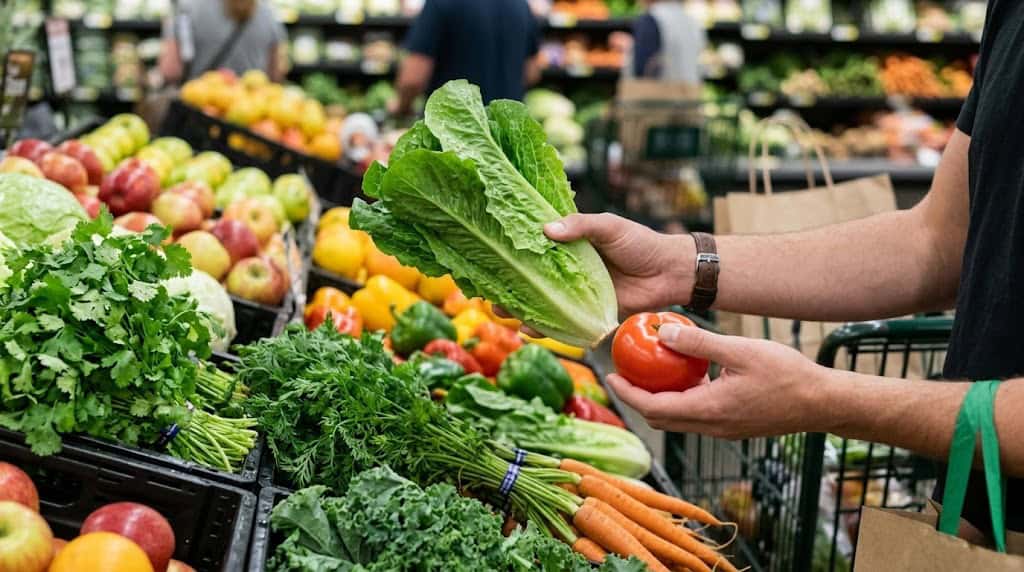
Why Fresh Ingredients Matter
Fresh ingredients aren’t just about taste—they’re about quality and health. Produce that is freshly harvested contains more nutrients, while fresh meat and seafood are safer and more enjoyable to eat.
Low-quality or spoiled ingredients can:
- Affect the flavor of your dishes
- Reduce nutritional value
- Increase the risk of foodborne illness
- Lead to unnecessary waste
By becoming more selective at the store, you’re investing in better meals and smarter spending.
General Tips Before You Start Shopping
Before diving into specific categories, there are a few universal principles that apply to all grocery shopping.
Shop Smart Timing
Try to shop earlier in the day when stores are freshly stocked. Avoid late-night shopping when items may have been sitting out longer.
Buy in Smaller Quantities
Unless you’re cooking for a crowd, avoid overbuying. Fresher items spoil faster, so it’s better to shop more frequently and buy less at a time.
Check Expiration Dates
Always look at “sell by,” “use by,” or “best before” dates—but don’t rely on them alone. These dates are guidelines, not guarantees of freshness.
Trust Your Senses
Your eyes, nose, and hands are your best tools. If something looks, smells, or feels off, it probably is.
How to Choose Fresh Fruits
Fruits should look vibrant, feel firm (in most cases), and smell naturally sweet.
Visual Cues
- Color: Fresh fruit should have rich, natural coloring. Avoid dull, faded, or overly dark spots.
- Skin condition: Look for smooth, unbroken skin without bruises, wrinkles, or mold.
- Uniformity: While some irregularity is normal, extreme deformities can indicate poor quality.
Texture and Feel
- Gently press the fruit. It should yield slightly but not feel mushy.
- Avoid overly hard fruit unless it’s meant to ripen at home (like bananas or avocados).
Smell Test
- Ripe fruit often has a sweet, fragrant aroma.
- If it smells sour or fermented, it’s likely overripe.
Common Mistakes to Avoid
- Choosing overly shiny fruit (may be waxed excessively)
- Ignoring small mold spots—they spread quickly
- Picking fruit with sticky residue (a sign of decay)
How to Select Fresh Vegetables
Vegetables vary widely, but freshness indicators are generally easy to recognize.
Leafy Greens
Examples: lettuce, spinach, kale
- Look for: Crisp, vibrant leaves
- Avoid: Wilted, yellowing, or slimy leaves
- Tip: Check the base—if it’s brown or mushy, it’s past its prime
Root Vegetables
Examples: carrots, potatoes, onions
- Look for: Firm texture, smooth skin
- Avoid: Soft spots, sprouts, or green discoloration (especially in potatoes)
- Tip: Heavier root vegetables are usually fresher and less dehydrated
Cruciferous Vegetables
Examples: broccoli, cauliflower
- Look for: Tight florets and deep color
- Avoid: Yellowing or flowering heads
- Tip: Stems should be firm, not rubbery
Bell Peppers and Similar Vegetables
- Look for: Glossy skin and firm structure
- Avoid: Wrinkles, soft spots, or dull appearance
How to Identify Fresh Herbs
Herbs are delicate and can spoil quickly, so careful selection is key.
What to Look For
- Bright green color
- Upright, perky stems
- Fresh, strong aroma
What to Avoid
- Yellowing or blackened leaves
- Slimy or wet packaging
- Weak or no scent
Fresh herbs should smell like themselves—basil should smell sweet, cilantro should smell citrusy and fresh.
How to Choose High-Quality Meat
Fresh meat should look clean, smell mild, and feel firm.
Color Indicators
- Beef: Bright red (not brown or gray)
- Pork: Light pink with white fat
- Chicken: Pale pink, not gray or yellowish
Texture
- Meat should feel firm and slightly moist, not sticky or slimy
- Avoid packages with excessive liquid
Smell
- Fresh meat has little to no odor
- A sour or ammonia-like smell is a red flag
Packaging Tips
- Check for tight, intact packaging
- Avoid torn or leaking packages
- Look for minimal air inside vacuum-sealed packs
How to Pick Fresh Seafood
Seafood is highly perishable, so extra caution is necessary.
Whole Fish
- Eyes: Clear and bulging, not cloudy or sunken
- Gills: Bright red or pink, not brown
- Skin: Shiny and metallic-looking
- Smell: Clean, ocean-like scent (never fishy)
Fillets
- Firm flesh that springs back when touched
- Translucent appearance (not dull or dry)
- No browning or discoloration on edges
Shellfish
- Shells should be tightly closed or close when tapped
- Avoid cracked or open shells
- Fresh shellfish should smell like the sea, not ammonia
Smell Test: Your Secret Weapon
One of the most underrated tools in grocery shopping is your sense of smell.
What Fresh Smells Like
- Mild, natural scents
- Slight sweetness (for fruits)
- Clean, ocean-like aroma (for seafood)
What Spoiled Smells Like
- Sour or fermented
- Ammonia-like (especially seafood)
- Strong, unpleasant odors
If you hesitate after smelling something, trust that instinct.
Understanding Labels and Marketing Tricks
Not everything labeled “fresh” truly is.
Terms to Be Skeptical Of
- “Farm fresh”
- “Natural”
- “Premium quality”
These terms are often marketing language without strict definitions.
What Actually Matters
- Packaging date
- Origin of the product
- Storage conditions
Don’t let branding override your own judgment.
Seasonal Shopping: A Freshness Advantage
Buying ingredients in season is one of the easiest ways to ensure freshness.
Benefits of Seasonal Produce
- Better flavor
- Higher nutritional value
- Lower cost
- Less time in storage and transport
For example, berries are fresher in summer, while root vegetables shine in colder months.
Signs of Poor Storage at the Store
Sometimes, even good products go bad due to poor handling.
Warning Signs
- Condensation inside packaging
- Warm refrigerated sections
- Wilted produce displays
- Strong odors in meat or seafood areas
If the store environment seems off, the products might be too.
Tips for Avoiding Spoiled or Low-Grade Items
Rotate Your Picks
Don’t just grab the first item you see. Look behind and underneath for fresher stock.
Inspect Carefully
Take a few extra seconds to check all sides of an item—especially the bottom.
Don’t Be Afraid to Ask
Store employees can often tell you when items were stocked or which batch is freshest.
Bringing It All Together
Spotting fresh ingredients is a skill that combines observation, experience, and a bit of intuition. Over time, you’ll develop a sharper eye for quality and a better understanding of what freshness looks, feels, and smells like.
Here’s a quick recap:
- Look for vibrant color and firm texture
- Avoid bruises, discoloration, and excess moisture
- Use your sense of smell to detect spoilage
- Check packaging and storage conditions
- Buy in season whenever possible
Final Thoughts
Grocery shopping doesn’t have to be a guessing game. With the right knowledge, you can confidently select ingredients that elevate your cooking and reduce waste. Fresh ingredients are the foundation of great meals, and learning how to identify them is a valuable life skill.
The next time you walk through the aisles, slow down, observe carefully, and trust your senses. Your meals—and your wallet—will thank you.